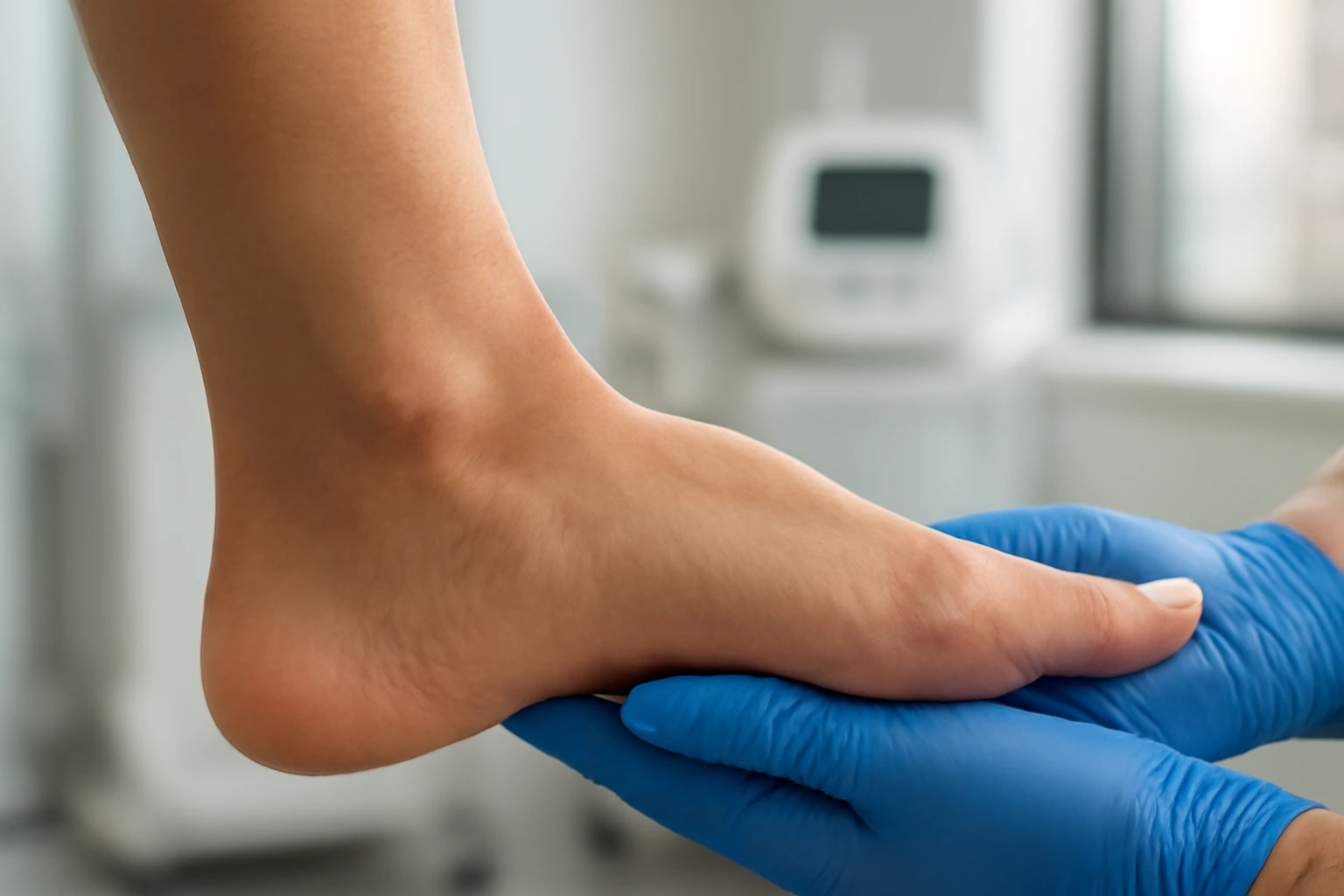
Living in New York City means your feet work harder than almost anyone else's.
Whether you're walking through Central Park, commuting on the subway, standing through long workdays, traveling, or simply enjoying everything Manhattan has to offer, your feet absorb thousands of steps every day. While that level of activity is part of city life, it can become increasingly painful if your feet aren't providing the support your body needs.
For many people, the problem begins with flat feet.
Flat feet, also known as fallen arches, can change the way your entire body moves. Instead of distributing weight evenly, your feet may roll inward excessively with every step, placing added stress on your ankles, knees, hips, and lower back. Over time, this altered alignment can contribute to chronic pain, tendon injuries, bunions, heel pain, and difficulty staying active.
The good news is that flat feet don't always require surgery. In many cases, early diagnosis and the right treatment plan can relieve pain, improve stability, and help prevent the condition from progressing.
At Central Park SOLE, our physicians take a personalized approach to flat foot treatment. Rather than treating every patient the same, we perform a comprehensive evaluation to understand the underlying cause of your symptoms and recommend treatment options based on your lifestyle, activity level, and long-term goals.
What Are Flat Feet?
Flat feet occur when the arch on the inside of the foot is lower than normal or has collapsed, allowing more of the foot to make contact with the ground. Some people are born with flat feet and never experience symptoms, while others develop the condition later in life due to injury, tendon dysfunction, arthritis, or gradual wear and tear.
Not all flat feet are the same. Some remain flexible and cause little discomfort, while others become rigid and painful over time. Understanding the type and severity of your condition is one of the most important steps in determining the most effective treatment.
Why Flat Feet Cause More Than Arch Pain
Many people assume flat feet only cause discomfort in the arch of the foot. In reality, your arches act as your body's natural shock absorbers. When they don't provide the support they're designed to, the effects can extend well beyond your feet.
As the arch collapses, the foot often rolls inward, a movement known as overpronation. This changes the alignment of your ankles and legs, forcing muscles, tendons, and joints to compensate with every step.
Flat feet may contribute to a variety of painful conditions, including:
- Heel pain and plantar fasciitis
- Achilles tendonitis
- Posterior tibial tendon dysfunction
- Ball of foot pain
- Bunions and toe deformities
- Recurrent ankle sprains
- Knee pain
- Hip pain
- Lower back discomfort
Because these conditions often develop gradually, many patients don't realize that flat feet are the underlying cause. They simply notice that walking has become more difficult, standing all day is exhausting, or the pain continues to return despite changing shoes or trying over-the-counter inserts.
Signs You Shouldn't Ignore
Flat feet don't always become painful overnight. Symptoms often progress slowly, becoming more noticeable as the supporting tendons and ligaments begin to weaken.
You should consider an evaluation if you experience:
- Pain in the arch or heel
- Swelling along the inside of the ankle
- Feet that tire easily after walking or standing
- Frequent ankle sprains
- Pain that worsens with activity
- Shoes that wear unevenly
- Difficulty walking long distances
- Knee, hip, or lower back pain without another obvious cause
Ignoring these symptoms can allow the condition to worsen over time, making treatment more complex and increasing the risk of additional foot and ankle problems.
How Flat Feet Are Diagnosed
Every patient experiences flat feet differently, which is why a thorough evaluation is so important.
At Central Park SOLE, your visit begins with a comprehensive examination designed to understand not only the structure of your feet but also how they function during movement.
Depending on your symptoms, your evaluation may include a physical examination, gait analysis, assessment of foot alignment, and advanced imaging when appropriate. These tools help identify whether your pain is related to flexible flatfoot, adult-acquired flatfoot, tendon dysfunction, arthritis, or another condition affecting your feet and ankles.
Our goal isn't simply to diagnose flat feet. It's to understand why your feet hurt and develop a treatment plan that addresses the underlying problem rather than simply masking symptoms.
Personalized Treatment Options for Flat Feet
There is no single treatment that's right for everyone. The best approach depends on the severity of your flat feet, the conditions contributing to your pain, your activity level, and your long-term goals.
Custom Orthotics
For many patients, custom orthotics are an excellent first step. Unlike over-the-counter inserts, custom orthotics are designed specifically for your feet and walking mechanics. They help improve alignment, redistribute pressure, support the arch, and reduce strain on the tendons and joints that work harder when the arch collapses.
For patients who spend long hours walking throughout Manhattan or standing for work, properly fitted orthotics can make everyday activities significantly more comfortable.
Advanced Regenerative Medicine
Flat feet can place ongoing stress on tendons and soft tissues, leading to chronic inflammation and degeneration. When appropriate, regenerative medicine may be recommended to support your body's natural healing process and address tendon or ligament injuries associated with flat feet.
These advanced treatments are carefully selected based on each patient's diagnosis and are often incorporated into a comprehensive treatment plan designed to reduce pain while promoting long-term function.
Remy Laser Therapy
For patients experiencing chronic pain and inflammation, Remy Laser Therapy may also be recommended as part of their treatment plan.
This advanced laser technology is designed to stimulate cellular activity, improve circulation, and support the body's natural healing response. When combined with other therapies, laser treatment may help reduce discomfort and improve mobility without disrupting your daily routine.
Surgical Correction
In more advanced cases, particularly when flat feet have progressed significantly or are associated with severe tendon damage or arthritis, reconstructive foot surgery may provide the best long-term solution.
Because our physicians offer both conservative and surgical treatment options, you'll receive recommendations based on what's best for your condition not a one-size-fits-all approach.
Why Patients Choose Central Park SOLE
Patients throughout Manhattan choose Central Park SOLE because they want more than temporary pain relief. They want a clear diagnosis, thoughtful guidance, and treatment that's tailored to their individual needs.
Our practice combines advanced technology, modern treatment options, regenerative medicine, minimally invasive procedures, and surgical expertise under one roof. Whether your goal is walking comfortably through the city, returning to exercise, or preventing your condition from worsening, we'll work with you to develop a treatment plan designed around your lifestyle.
Don't Let Flat Feet Keep You From Enjoying Life in Manhattan
Whether you're commuting to work, exploring Central Park, training for your next race, or simply trying to enjoy everyday activities without pain, your feet should support your lifestyle not limit it.
If you've been living with chronic foot pain, recurring ankle problems, or discomfort that hasn't improved with new shoes or over-the-counter inserts, it's time to find out what's really causing your symptoms.
At Central Park SOLE, we'll identify the source of your pain, explain your treatment options, and develop a personalized plan designed to help you move with greater comfort and confidence. From conservative care to advanced regenerative treatments, minimally invasive procedures, and reconstructive surgery, we're committed to helping you find the solution that's right for you.
Schedule a consultation today and take the first step toward healthier feet and a more active life.
Frequently Asked Questions
Can flat feet develop as an adult?
Yes. Many adults develop flat feet over time due to tendon dysfunction, arthritis, injury, or years of repetitive stress.
Do flat feet always cause pain?
No. Some people have flat feet without symptoms, while others experience significant pain and instability. A comprehensive evaluation can determine whether your symptoms are related to flat feet or another condition.
Can flat feet be treated without surgery?
In many cases, yes. Conservative treatments such as custom orthotics, regenerative medicine, and laser therapy may help relieve symptoms and improve function. Surgery is typically reserved for more advanced cases or when conservative care has not been successful.
What are the common symptoms of flat feet?
Common symptoms include foot pain, swelling along the inside of the ankle, and fatigue after prolonged walking or standing.
How can a flat foot specialist help me?
A flat foot specialist can evaluate your condition, recommend personalized treatment plans, and provide options like orthotics or physical therapy.