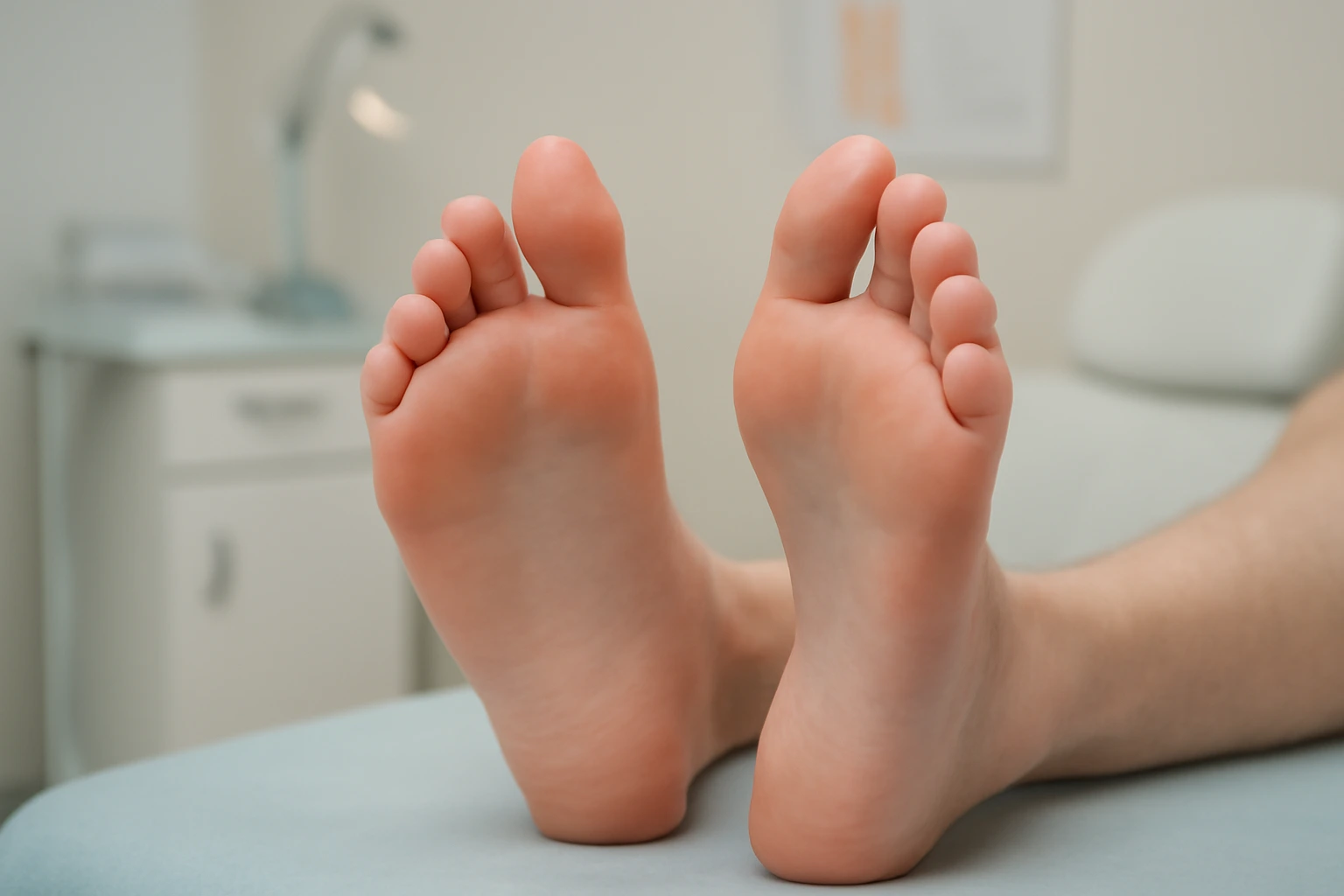
Summary
Flat foot surgery can be a necessary option for those suffering from persistent pain and functional limitations. This article explores the symptoms, diagnosis, treatment options, and recovery expectations associated with flat feet. Understanding when surgery is appropriate and the types of procedures available can empower individuals to make informed decisions about their foot health.
When Is Flat Foot Surgery Necessary?
If you've been living with flat feet, you've probably wondered the same thing many of our patients ask:
"Will I eventually need surgery?"
The answer is reassuring for most people: not necessarily.
While flat feet can lead to chronic pain, tendon injuries, arthritis, and progressive deformity, many patients find significant relief with conservative treatment. Others may benefit from advanced minimally invasive procedures that address the underlying instability before extensive reconstruction becomes necessary.
The key is understanding why your flat feet are causing pain and choosing a treatment plan that matches your specific condition.
At Central Park SOLE, we don't believe every patient should follow the same path. Some patients do exceptionally well with custom orthotics and supportive care. Others may benefit from regenerative medicine or advanced therapies designed to reduce pain and improve function. For patients with progressive flatfoot deformity or persistent instability reconstructive surgery may provide the most effective long-term solution.
Our goal is never to recommend surgery first. It's to recommend the treatment that's right for you.
Understanding Flat Feet
Flat feet, also known as fallen arches, occur when the arch of the foot provides less support than it should. Some people are born with flat feet, while others develop them over time due to injury, arthritis, tendon dysfunction, repetitive stress, or the natural aging process.
Healthy arches act as shock absorbers. When they weaken or collapse, the foot often rolls inward excessively, placing additional stress on the ankles, knees, hips, and lower back.
Many people have flat feet without experiencing pain. Others develop symptoms gradually as the condition progresses.
When Flat Feet Become a Problem
Having flat feet doesn't automatically mean you need treatment.
Treatment becomes important when flat feet begin affecting your quality of life or causing additional foot and ankle conditions.
Common symptoms include:
- Pain in the arch or heel
- Fatigue after standing or walking
- Swelling along the inside of the ankle
- Recurring ankle sprains
- Difficulty exercising
- Pain that worsens throughout the day
- Progressive bunion deformities
- Tendon pain
- Changes in the way your shoes wear
As flat feet progress, the supporting structures of the foot work harder to compensate. Over time, this can contribute to conditions such as plantar fasciitis, posterior tibial tendon dysfunction, Achilles tendonitis, bunions, and arthritis.
Ignoring these symptoms may allow the condition to worsen, making treatment more complex later.
Does Everyone with Flat Feet Need Surgery?
No.
In fact, most patients who visit Central Park SOLE are surprised to learn that surgery is not the first recommendation.
One of the biggest misconceptions about flat feet is that every collapsed arch eventually requires an operation.
That's simply not true.
Many patients achieve meaningful improvement with personalized conservative treatment that reduces pain, improves alignment, and helps them stay active.
The goal is to intervene before pain begins limiting your daily activities whenever possible.
Conservative Treatment Often Comes First
The first step is understanding why your feet hurt.
Every patient is different, which is why treatment begins with a comprehensive evaluation rather than a predetermined procedure.
Depending on your diagnosis, treatment may include:
Custom Orthotics
Custom orthotics are designed specifically for your feet and walking mechanics.
Unlike over-the-counter inserts, they help improve alignment, support the arch, redistribute pressure, and reduce excessive stress placed on tendons and joints.
For many Manhattan professionals who spend long hours walking or standing, custom orthotics become an important part of long-term symptom management.
Advanced Non-Surgical Therapies
For patients experiencing chronic tendon irritation or inflammation related to flat feet, advanced treatment options may also be appropriate.
Depending on your condition, your physician may recommend regenerative medicine or Remy Laser Therapy as part of a comprehensive treatment plan designed to support healing while reducing pain and improving function.
These treatments are selected carefully based on your diagnosis and individual goals.
Signs You May Be Ready to Discuss Surgery
While surgery isn't necessary for everyone, certain symptoms may indicate it's time to speak with a foot and ankle specialist.
These include:
- Pain that continues despite conservative treatment
- Progressive collapse of the arch
- Difficulty walking longer distances
- Significant ankle instability
- Tendon tears or advanced tendon dysfunction
- Arthritis affecting the foot or ankle
- Foot deformities that continue worsening
- Pain that's limiting work, exercise, or travel
The earlier these problems are evaluated, the more treatment options are often available.
When Is Reconstructive Flat Foot Surgery Necessary?
In some cases, flat feet become severe enough that reconstructive surgery offers the best opportunity for long-term improvement.
This may occur when:
- The arch has collapsed significantly
- Arthritis has developed
- Tendons have become severely damaged
- The deformity is rigid rather than flexible
- Conservative treatment has failed
- Walking has become consistently painful
Reconstructive procedures are designed to restore alignment, improve stability, reduce pain, and preserve long-term function.
The specific procedure depends entirely on the underlying cause of the deformity, which is why a personalized evaluation is so important.
How Central Park SOLE Determines the Right Treatment
Choosing the right treatment isn't about selecting the newest procedure.
It's about identifying the source of your pain.
At Central Park SOLE, every patient receives a comprehensive evaluation that may include:
- A detailed medical history
- Physical examination
- Gait analysis
- Assessment of foot alignment
- Evaluation of tendon function
- Advanced imaging when appropriate
This allows our physicians to determine whether your symptoms are best managed with conservative care, regenerative treatments, or reconstructive surgery.
Because we offer the full spectrum of treatment options, our recommendations are based on your condition not on a one-size-fits-all philosophy.
Find the Right Treatment—Not Just the Most Aggressive One
Living with flat feet doesn't automatically mean surgery is in your future.
For many patients, the right combination of conservative treatment and advanced therapies provides lasting relief. For others, minimally invasive procedures or reconstructive surgery offer the best opportunity to restore function and improve quality of life.
The most important step is receiving an accurate diagnosis.
At Central Park SOLE, we'll evaluate your foot structure, understand how your symptoms affect your daily life, and develop a treatment plan tailored specifically to your needs. Whether you're looking to stay active, reduce pain, or prevent your condition from progressing, our team is committed to helping you make informed decisions about your foot health.
If flat feet are limiting your lifestyle, schedule a consultation with Central Park SOLE and learn which treatment option is right for you.
Frequently Asked Questions
Is flat foot surgery always necessary?
No. Many patients successfully manage their symptoms with custom orthotics, activity modifications, and other conservative treatments.
Can flat feet get worse over time?
Yes. In some individuals, flat feet gradually progress, leading to tendon injuries, arthritis, increasing pain, and worsening deformity.
What happens if I don't treat painful flat feet?
Untreated flat feet may contribute to chronic foot pain, ankle instability, tendon dysfunction, bunions, plantar fasciitis, and arthritis. Early evaluation can help identify treatment options before the condition progresses.
Is recovery the same for every surgical procedure?
No. Recovery depends on the type of procedure performed, the severity of the deformity, and your overall health. Your physician will discuss expected recovery times based on your personalized treatment plan.